
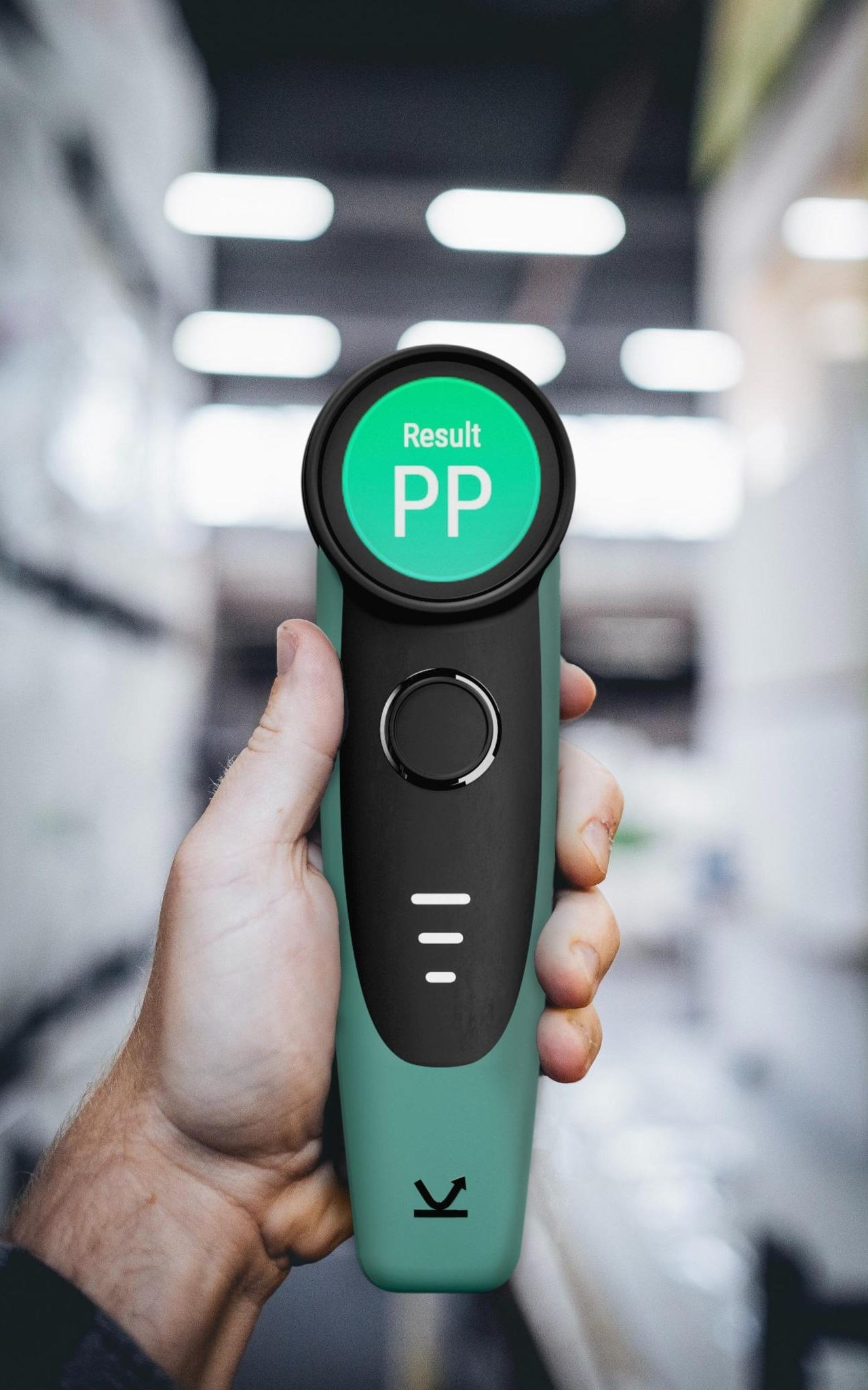
👋Hi, we are building a device that can identify the most common types of plastic to make plastic recycling simpler, more accessible, and more viable! All in an open source way. We don’t know yet what it is going to look like, but maybe something like these:
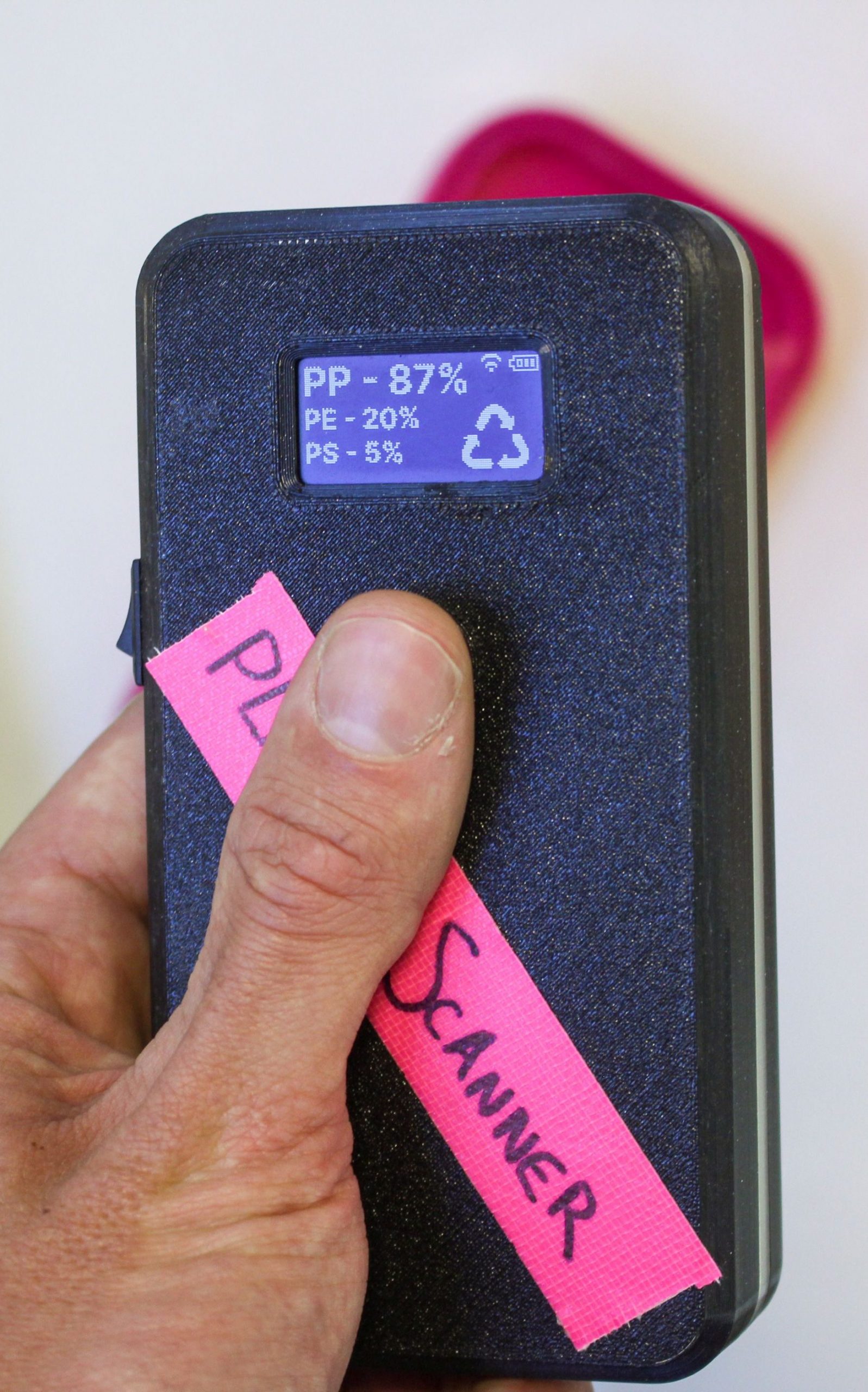
DIY Version of the Plastic Scanner
Visual model from thesis Jerry
Commercial Version of the Plastic Scanner Visual model by AED student team
Current status
We’re currently in the prototyping phase and working towards a version that is recommended to build or purchase. Stay informed with our monthly progress updates through our video series. Watch the latest update now here:
Why we are doing this
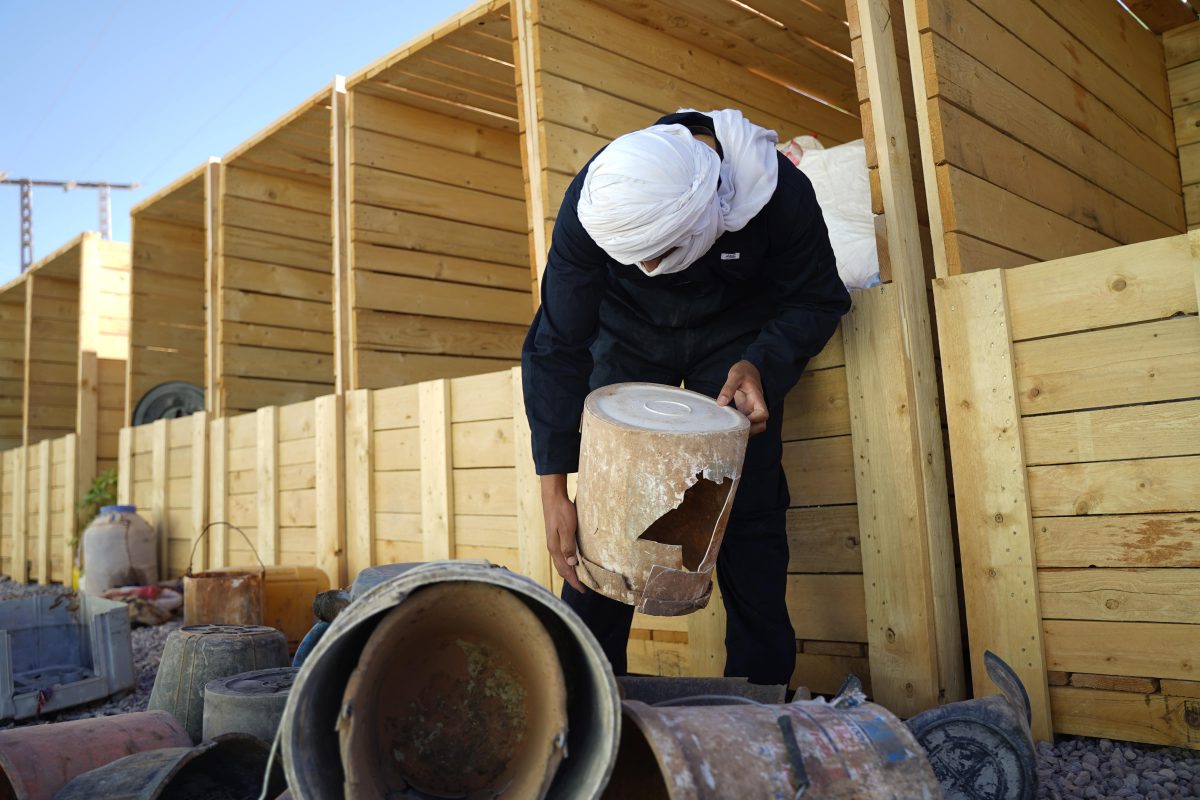
As you might know, plastic recycling is important, but putting this into practice can be quite challenging. One of the big things is identifying and sorting plastic.
Plastic pollution is a well-known problem worldwide and is still growing. It negatively affects humans and wildlife through animal death, groundwater pollution, and the incorporation of microplastics in our digestive system. There are many initiatives focusing on reducing the negative effects of plastic pollution, but the amount of plastic consumed and the subsequent pollution is still increasing every year. Additionally, during the COVID-19 pandemic, the dependency on single-use plastics has increased exponentially.
That is why it is important to keep improving recycling infrastructure, especially in low and middle-income countries. Their plastic waste management is often informal, and tools are insufficient for the correct management of plastic waste, resulting in plastic pollution. The research conducted in this thesis showed that especially the sorting stage of the plastic recycling process is very time-consuming and labor-intensive. This discovery led to the central research question: which resources can be developed to accelerate the process of plastic sorting for informal recyclers?
Discrete near-infrared spectroscopy makes it possible to identify over 75% of all plastic used in everyday life. Therefore, it became my mission to make this technology accessible to recyclers in low and middle-income countries.
By applying principles of context variation, local manufacturing, and open development in the design process, tools that accelerate the sorting of plastic waste were created. This brings Plastic Identification Anywhere another step closer, with the end goal of fighting plastic pollution, together, today.
Endeavors
The goal of this project is to have more plastic recycled by the end of the day. We want to craft the tools that are needed to make the work of recyclers anywhere around the world easier, simpler, and more accessible. To get there we have defined endeavors, small specific projects with a fixed start and end point for people to help out with their skills.
Open source
One of the core values of the Plastic Scanner Project is the open source mentality. We see this as an essential part of the project that helps to get the right feedback and guidance from experts, as well as reach the people that need a plastic scanner the most.
At the heart of this open source project are the developers, the people who actually make it possible, the ones who chip in with their skills, the people who make it to the about us page, so find out here who is helping out making the Plastic Scanner project a reality!
Next to this is also the extensive documentation about the working principle of the Plastic Scanner. Documentation about the project, background information, and build instruction can be read here:
Come and help
We are always looking for bright minds that want to help out making plastic identification possible. Especially data science, spectroscopy, and electronics. If you want to chip in with your skills please read the page here:
Want to help out but don’t have the skills or time at this moment to be able to help out hands-on? You can also help out the project tremendously by doing a (one-time) donation, for this, check out the options here:
FAQ
Can I buy it?
- No, at this point we are fully in development mode, so testing a lot of things and also changing the design rather quickly. This is why we do not sell anything (yet) and why we also do not recommend it at this point to build the development board for other intents as being an active developer.
Can my company help to supply plastic?
- For testing the plastic scanner in different environments, we already have a big list of alpha and beta testers.
Can my company help with the development of the project?
- probably yes! if you can help us analyze samples or build prototypes then we are super happy with your help!
How does this whole open source work?
- We have a specific license that says you can replicate the Plastic Scanner and even commercialize it, but if you make any improvements you are required to keep that open source and share it back with the community.
Join the updates
Join our once-in-a-month email list and